What to Know Before Buying a Water Heater
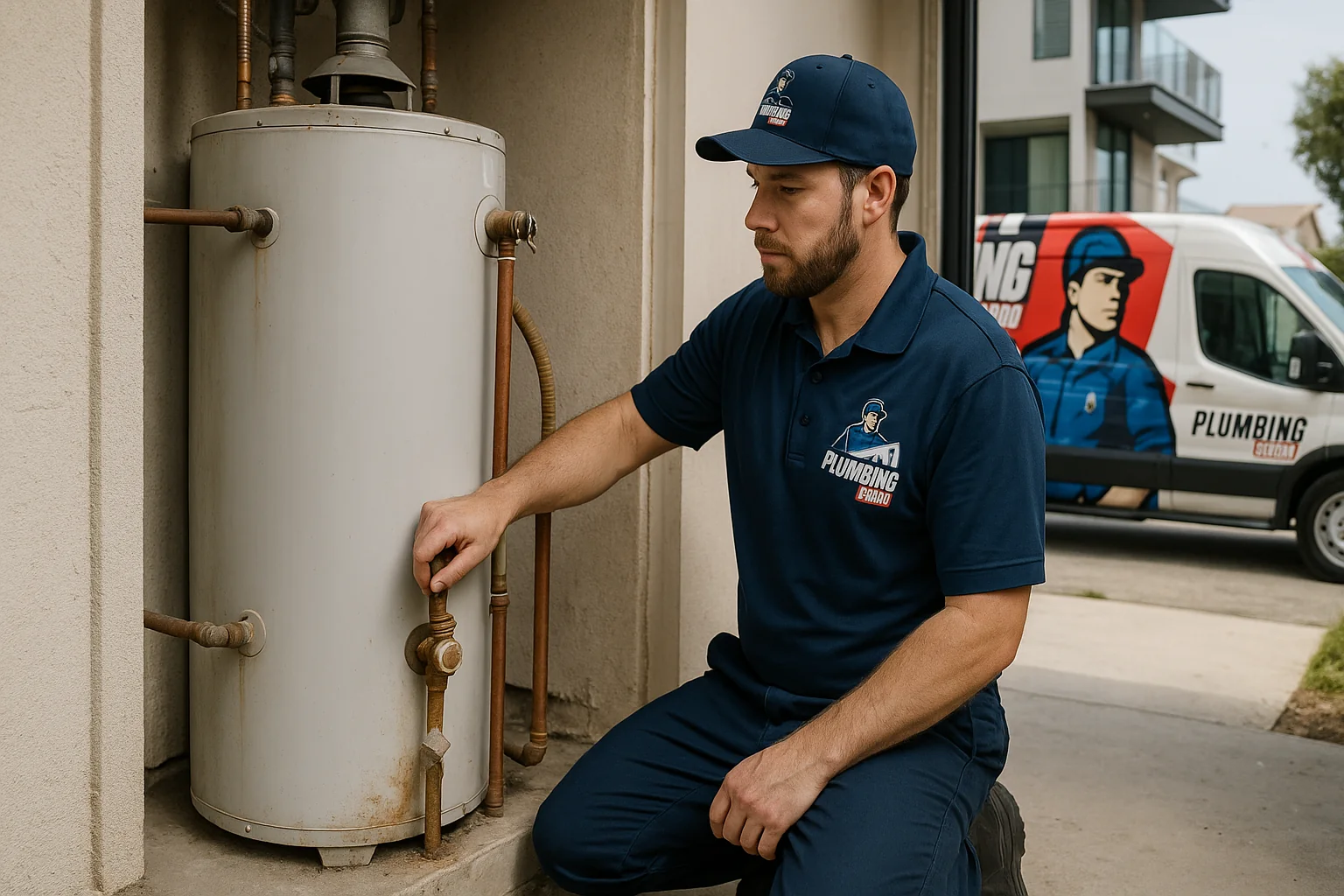
Choose the Right Type
This water heater buying guide starts with fuel and format: gas or electric, tank or tankless, and standard or hybrid. Each affects performance, space, and installation in LA & OC homes.
- Tank: Familiar, lower upfront cost, but standby losses
- Tankless: On‑demand comfort and efficiency when sized correctly
- Heat pump: Excellent efficiency where ambient temps allow
Size It for Your Household
Match capacity and recovery to showers, laundry, and dishwasher use. Consider simultaneous use and distance to far fixtures to keep waits short.
Efficiency & Practical Features
Compare UEF ratings, venting needs, and maintenance access. Add a drip pan, expansion tank where required, and leak sensors to protect floors.
Plan a Smooth Installation
Get a permit when needed, confirm gas/electric service, and schedule maintenance like descaling or anode checks to extend life.
Ready for help today? Call Plumbing Squad (LA & Orange County).
Key Takeaways
- Understand the essentials before buying a water heater—fuel type, tank vs. tankless, and correct sizing—so you choose a unit that fits your home and budget.
- Use safe, proven methods first; avoid shortcuts that create bigger problems.
- Prevent issues with routine maintenance and timely upgrades.
- Know when to call a professional to save time, money, and stress.
Choosing the Right Water Heater
Match capacity (or flow rate for tankless) to household size and simultaneous hot‑water needs. Consider fuel type, efficiency ratings (UEF), and installation location.
Tank vs. Tankless
- Tank: Lower upfront cost, simpler install; standby heat loss.
- Tankless: Endless hot water, higher efficiency, longer life; higher upfront cost and venting requirements.
Maintenance for Longevity
- Flush tanks annually to reduce sediment.
- Replace anode rods every 3–5 years (water quality dependent).
- Descale tankless units per manufacturer guidelines.
FAQs
What size water heater do I need for my household?
For a tank unit, match the first‑hour rating to peak demand: a 40‑gallon tank suits 1–3 people, 50 gallons fits 3–4, and 75 gallons covers 5 or more. For tankless, size by flow rate in gallons per minute—around 5–7 GPM for a small home, 8–10 GPM for a larger one running two showers at once. In cooler LA mornings, factor in the incoming groundwater temperature, which raises the required output.
Should I switch from a tank to a tankless water heater?
Tankless makes sense if you want endless hot water, plan to stay long‑term, and have room in the budget. They last 20+ years versus 8–12 for tanks and cut standby energy loss, but installation often requires upsized gas lines, new venting, and sometimes a 240V circuit. If your hot‑water use is modest or you’re selling soon, a high‑efficiency tank usually delivers a faster payback.
Do I need a permit to replace a water heater in LA or Orange County?
Yes. Most LA and OC cities require a plumbing permit for water heater replacement, and inspectors check for seismic strapping (two straps, required statewide in California), a drip pan with drain, an expansion tank, proper T&P relief discharge, and correct venting. Permitting protects your warranty and home sale. A licensed plumber pulls the permit and schedules the inspection as part of the job.
How much does a new water heater cost installed?
In LA and Orange County, a standard 40–50 gallon gas tank typically runs $1,500–$2,800 installed, while a tankless unit ranges from $3,500–$6,500 once gas, venting, and electrical upgrades are included. Heat‑pump models land around $2,500–$4,500. For a firm written quote on your specific setup, call Plumbing Squad at (866) 324-9553—licensed under CSLB #1081283 and serving both counties.
Need a Reliable Plumber?
Plumbing Squad handles inspections, repairs, and emergency service with transparent pricing and clean workmanship. Call today or book service to get expert help fast.
