Grease Trap Repair & Installation
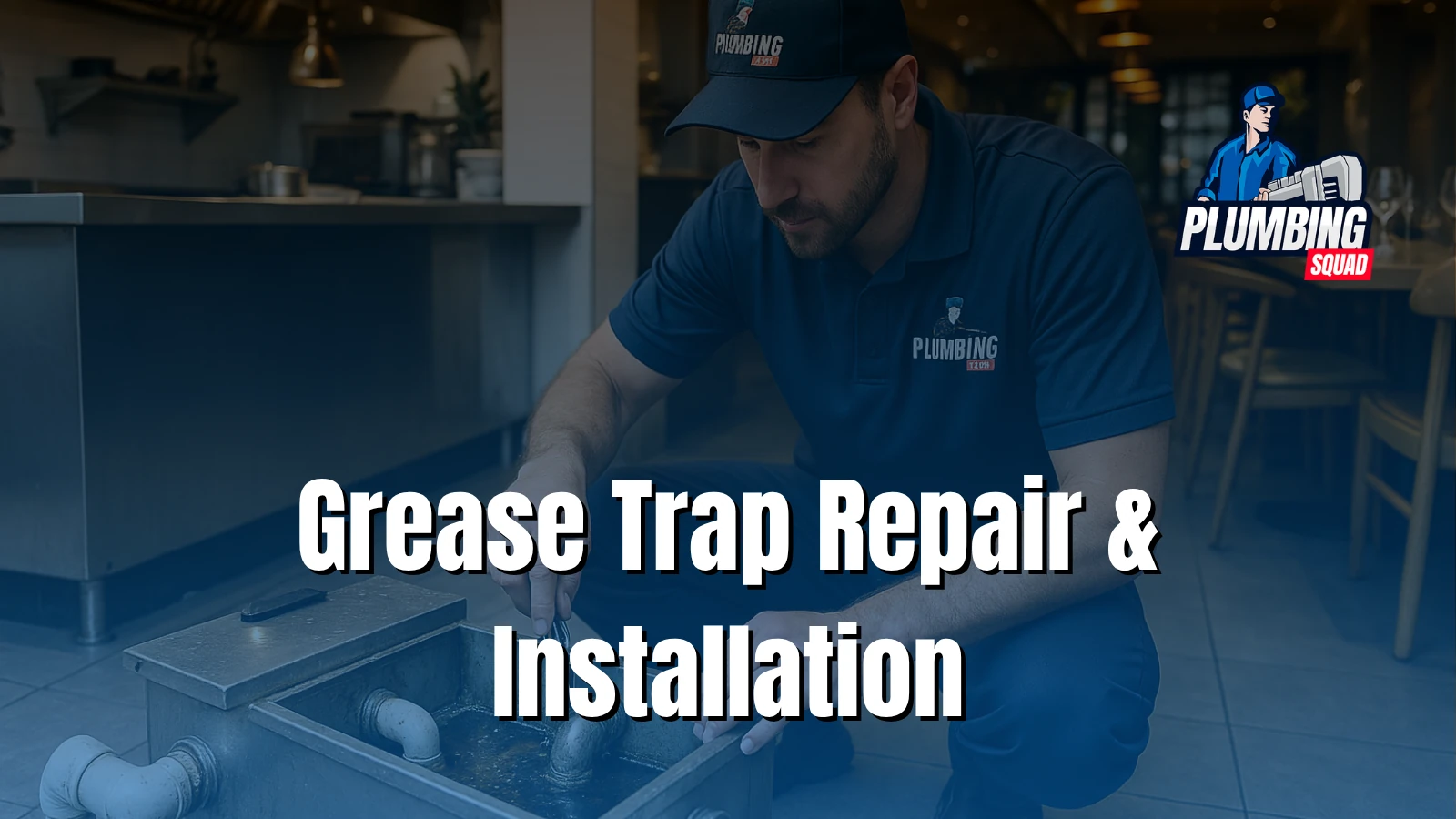
Grease Trap Repair & Installation
Scope of Work


Grease Trap Repair & Installation
FAQs
Find quick answers to the most common questions about our plumbing services. These FAQs cover what to expect, service details, and helpful tips to make scheduling easier.
Grease trap sizing is calculated per the LA County / OC plumbing code and the local sanitation district requirements — usually based on fixture count, drainage fixture units (DFU), or peak flow rate from the kitchen. A small coffee shop might need a 25-50 GPM trap; a busy full-service restaurant typically needs a 1,000-1,500 gallon underground interceptor. Undersized traps overflow into the sewer and trigger fats-oils-grease (FOG) violations from the sanitation district. We calculate properly and submit plans for AHJ approval.
Recurring kitchen drain clogs upstream of a grease trap usually mean one of three things: the trap is full and needs pumping (typical interval is monthly to quarterly depending on volume), the line slope between fixtures and trap is wrong (allowing grease to cool and solidify mid-run), or the line is undersized for the volume. Hydrojetting clears immediate blockages but the underlying issue still needs correction. We diagnose, pump, jet, and recommend permanent fixes including pipe rerouting or trap upgrades.
Yes — relocating a grease trap typically happens during restaurant TI work or when the existing location is inaccessible for pumping service. We work with the design team, kitchen consultant, and AHJ to plan a new location that meets code (minimum distances from fixtures, accessibility for pump trucks), then reconfigure the inlet and outlet piping, vent connections, and elevations. For commercial properties this is permitted work with rough-in and final inspections.
Yes — Plumbing Squad handles the full permit process for grease trap and interceptor work: plan submission to the city building department, FOG (fats-oils-grease) plan submission to the local sanitation district, plan-check responses, permit pickup, rough and final inspections, and permit closeout. CSLB #1081283 covers commercial plumbing and the B General Building classification covers any structural or excavation work that comes with underground interceptor installs.