
Sump Pump Services
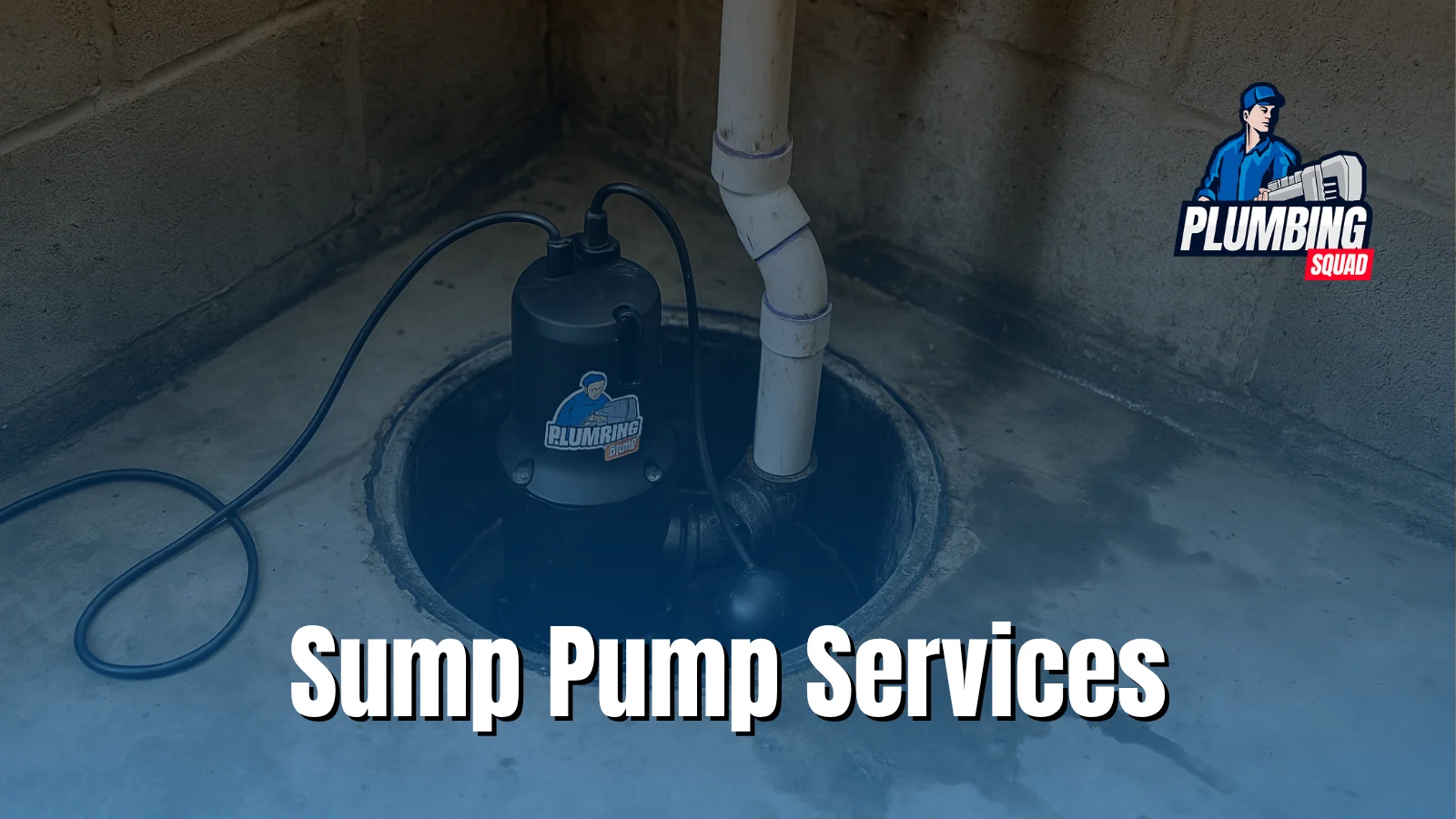
Sump Pump Services
Scope of Work


Sump Pump Services

FAQs
Find quick answers to the most common questions about our plumbing services. These FAQs cover what to expect, service details, and helpful tips to make scheduling easier.
Short cycling — the pump turning on and off rapidly — usually means the float switch range is too narrow (turn-on and turn-off setpoints too close together), the check valve at the discharge is leaking back into the basin between cycles, or the basin is undersized for the inflow rate. We measure the pump cycle, adjust or replace the float switch (tethered, vertical, or electronic depending on pump model), and replace the check valve if it's failing.
If your sump serves a finished basement, valuable below-grade space, or you've seen flooding during power outages, yes — a battery-backup pump is cheap insurance. The primary pump runs on house AC and handles normal operation; the battery backup kicks in if the primary fails or power goes out. For homes in flood-prone parts of Long Beach, Carson, or Lakewood, the backup pump has paid for itself many times over during the first storm event.
Annually for normal-use sumps; semi-annually for sumps that run frequently or serve high-value spaces. The service checklist: test the float switch in real water, verify the impeller spins freely, clean the basin and inlet screen, inspect the discharge line and check valve, test the battery backup if installed, and verify the discharge terminates appropriately (above-grade, away from the foundation, not back into the sewer).
Yes — sump basin noise comes from water cascading into the basin (handled with a baffled inlet or downspout extension into the basin), pump vibration transferred to the basin walls (handled with vibration-isolation pads under the pump), and check valve "hammer" when the pump stops (handled with a quiet-close swing check or spring-assisted check valve). For finished spaces above the basin a sealed lid plus the above modifications cuts the noise dramatically.