
Signs Your Plumbing System Needs a Full Repiping: When Repairs Are No Longer Enough
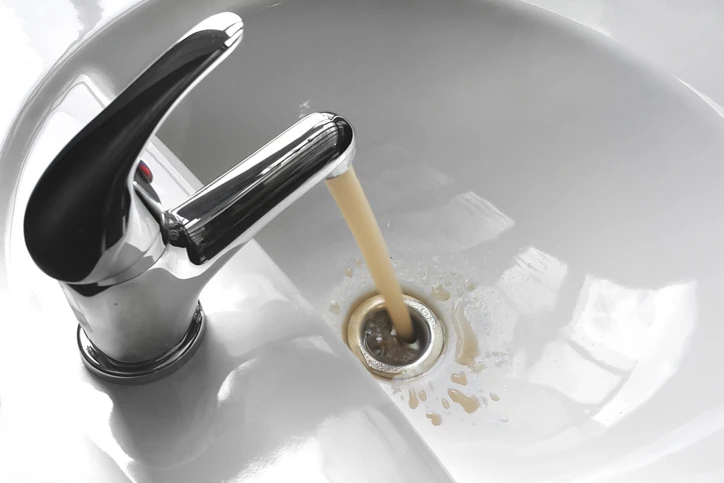
When recurring leaks, rusty water, or house‑wide low pressure keep returning, repiping often solves the root problem. Instead of patching one section at a time, a whole‑home approach replaces failing lines with modern materials for reliability, cleaner water, and better flow—especially in older Los Angeles and Orange County homes.
Clear Signs Repiping Is the Better Fix
1) Leaks and clogs across multiple rooms
Clustering leaks or frequent drain issues often point to widespread pipe deterioration rather than a single bad fitting. Replacing the network eliminates weak points altogether.
2) Discolored or metallic‑tasting water
Brown, yellow, or rusty water suggests corrosion inside aging lines. Repiping removes the source, improving water clarity and taste while reducing debris that can foul fixtures and appliances.
3) Consistently low water pressure
Buildup and scale narrow pipe passages, starving showers and fixtures. A planned repiping layout restores steady, even pressure throughout the home.
What a Repiping Project Typically Involves
A licensed crew maps your current system, selects pipe materials, and stages work to keep water outages brief. Walls are opened surgically, lines are replaced in sections, and surfaces are patched once inspections pass.
- Material choices: Copper or PEX are common, durable options for Southern California homes.
- Shutoff planning: Work is sequenced to minimize disruption to kitchens and baths.
- Code compliance: Installations follow current standards and manufacturer specs.
Choosing Materials for Long‑Term Value
Copper offers heat tolerance and longevity; PEX adds flexibility and reduced fittings. A pro will match materials to your home’s layout, water conditions, and budget. Either way, modern piping reduces corrosion risk and helps maintain water quality.
Cost‑Savvy Ways to Prepare
- Bundle upgrades—new shutoffs, supply lines, or a main valve—while walls are open.
- Protect furnishings and plan for short water shutoffs during work windows.
- Ask for a written scope describing fixtures, routes, and any required wall repair.
Repairs vs. Repiping: How to Decide
Spot repairs are fine for isolated issues. But if you’re juggling repeated leaks, discoloration, or pressure drops, full repiping delivers peace of mind and often lowers lifetime costs. A pro inspection can confirm whether your system is at the end of its service life.
Book a pro visit with Plumbing Squad in Los Angeles or OC.
Key Takeaways
- Recognize the warning signs that aging pipes need full repiping—recurring leaks, rusty water, and falling pressure—so you can act before a failure causes damage.
- Use safe, proven methods first; avoid shortcuts that create bigger problems.
- Prevent issues with routine maintenance and timely upgrades.
- Know when to call a professional to save time, money, and stress.
Early Warning Signs
- Water stains, bubbling paint, or musty odors.
- Unexpectedly high water bills or meter movement when fixtures are off.
- Reduced pressure in one area or across the home.
Emergency Steps
- Shut off the main water valve.
- Turn off power to affected areas if water is near outlets or appliances.
- Open faucets to drain remaining water and relieve pressure.
- Document damage for insurance and call a licensed plumber.
Repair & Prevention
Depending on pipe material and access, solutions include spot repairs, rerouting, or whole‑home repiping. Insulate exposed lines, maintain stable indoor temps, and install leak detection with automatic shutoff.
FAQs
How long do galvanized and copper pipes last in older LA and OC homes?
Galvanized steel pipes, common in homes built before the 1960s, typically last 40–60 years before rust chokes flow and stains water. Copper installed from the 1970s on can reach 50 years or more, but Southern California’s hard water and pinhole corrosion shorten that. If your home is 50-plus years old and still on its original lines, you’re likely past due for repiping.
Should I repipe the whole house or just replace the bad section?
If leaks keep popping up in different rooms, the same age and material are failing everywhere—patching one spot just shifts pressure to the next weak point. Whole‑home repiping makes sense once you’ve had multiple leaks in a year, see rust at several fixtures, or are opening walls anyway during a remodel. A single isolated leak in otherwise healthy copper is fine to spot‑repair.
How long does a whole-home repipe take and will I have water during it?
Most single‑family repipes finish in 2–5 days depending on home size, number of bathrooms, and pipe routing. A skilled crew sequences the work so your water is only fully shut off for a few hours at a time, usually restoring service each evening. Drywall patching and paint touch‑up add a few more days afterward, often handled by a separate finish crew.
How much does it cost to repipe a house in Los Angeles or Orange County?
Whole‑home repiping in LA and OC generally runs about $6,000–$15,000, with PEX on the lower end and copper on the higher end; larger or multi‑story homes with many bathrooms can exceed $20,000. Drywall repair, permits, and slab access affect the total. For a firm written quote based on your layout, call Plumbing Squad (licensed CSLB #1081283) at (866) 324-9553.
Need a Reliable Plumber?
Plumbing Squad handles inspections, repairs, and emergency service with transparent pricing and clean workmanship. Call today or book service to get expert help fast.
